
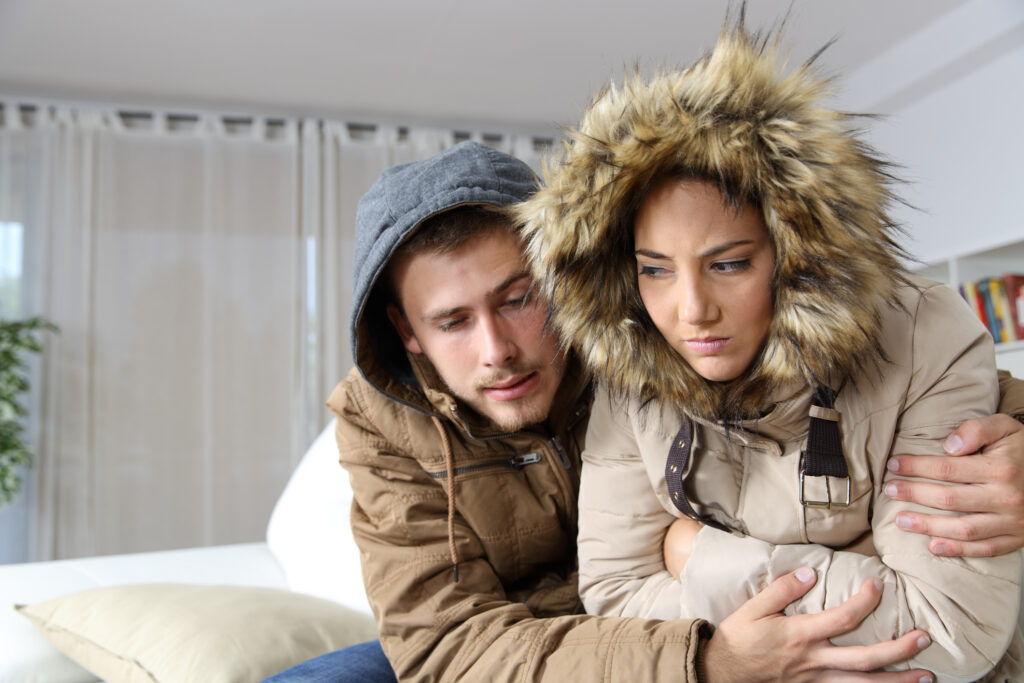
Waking up to a cold house only to feel air blowing from the vents that is not warm can be frustrating, especially during a Northern Wisconsin winter. When your furnace is running but not heating, it does not always mean you need a full replacement. Many cases of a furnace blowing cold air come from simple setting issues, airflow problems, or safety lockouts that protect the system from damage. Understanding the difference between a quick fix and a serious mechanical issue helps you restore comfort faster and avoid unnecessary costs.
Thermostat Settings: The “Fan On” vs. “Auto” Confusion
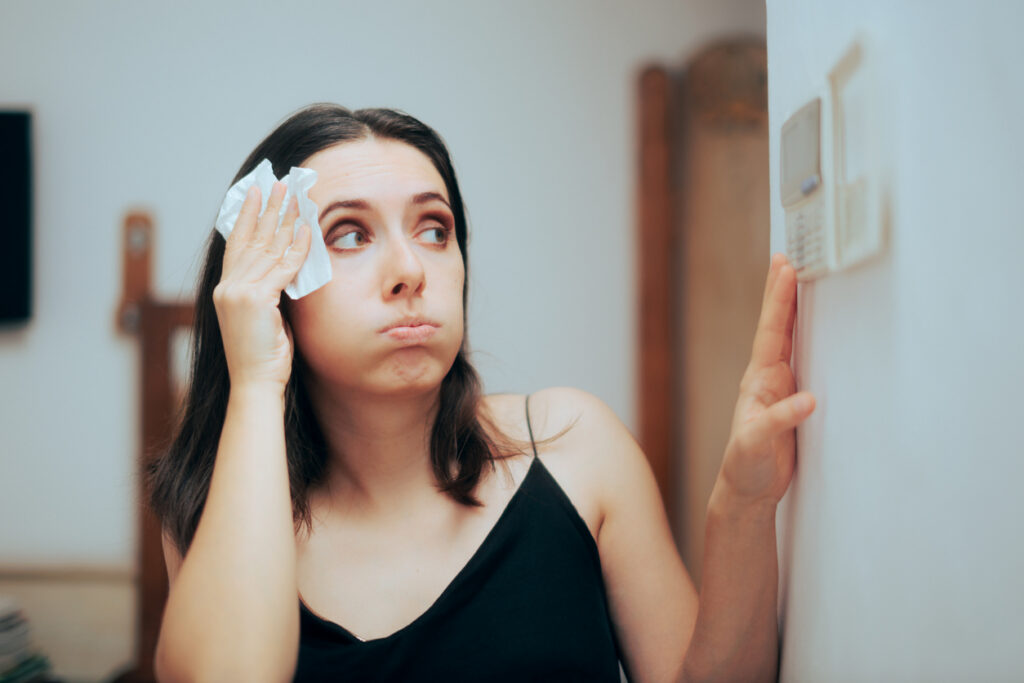
One of the most common reasons that you may experience your furnace blowing cold air is a thermostat setting issue. When the fan is set to “On,” the blower runs continuously whether the furnace is heating or not. That constant airflow can feel cold between heating cycles and make it seem like the furnace is failing.
Switching the fan setting to “Auto” allows the blower to run only when the system actively heats. If you notice your furnace blowing cold air on auto, the issue likely extends beyond thermostat settings and may involve ignition, airflow, or safety controls. Checking thermostat mode, temperature settings, and batteries often resolves confusion quickly. If the problem continues, it points to a deeper system concern.
Dirty Air Filters and the Overheating Cycle
Restricted airflow is another major cause behind “why is my furnace not heating” situations. A clogged air filter prevents proper circulation, which forces the heating system to work harder and traps heat inside the unit. As temperatures rise inside the system, safety controls activate to prevent damage.
This process often triggers the furnace high limit switch troubleshooting scenario. The high limit switch shuts off the burners to prevent overheating but keeps the fan running to cool the system. While the blower continues pushing air through the vents, that air feels cold because the burners are not active.
Replacing a dirty filter restores airflow and often resolves the issue. If cold air continues after a filter change, overheating may have already stressed internal components and requires professional inspection.
Pilot Light and Ignition Failures
Ignition problems can also lead to a furnace blowing cold air. In older systems, a blown-out pilot light prevents the burners from igniting. In modern furnaces, a dirty flame sensor or faulty igniter can stop the heating cycle before it begins.
Even when ignition fails, the blower may still operate. The system pushes air through the ducts, but without active combustion, the air stays cold. This scenario frequently leads you to assume the furnace has completely failed when the real issue lies with a single component. Since ignition and combustion involve gas and electrical systems, these repairs require professional service.
Northern Wisconsin Winter Challenges
Homes in Rhinelander, Minocqua, and the surrounding communities face unique challenges during the winter. Sub-zero temperatures can also affect your furnace’s performance in ways that you may not expect. If your system has frozen condensate lines or blocked exhaust vents, it can force a shutdown due to safety concerns.
When this happens, the system blower may still run without producing heat, which creates the sensation of cold air throughout the home. Extended cold snaps also place additional strain on aging equipment, increasing the chance of ignition failures and airflow restrictions. Frasier’s Plumbing, Heating, Cooling & Electrical has supported local homeowners since 1918, delivering fast HVAC repair in Rhinelander that residents can rely on during extreme weather. Local expertise matters when diagnosing cold-weather lockouts and restoring safe heat.
When to Call the Pros at Frasier’s
Some basic checks can help determine whether the issue is simple or more serious. Start by confirming your thermostat settings and replacing the air filter. These steps help to address common causes of a furnace blowing cold air without creating safety risks. That said, you should always avoid opening the combustion chamber, adjusting gas components, or attempting electrical repairs.
If cold air continues, the system may be a sign of early mechanical failure. Ignoring the warning signs can lead to a complete breakdown. Professional diagnostics and furnace repairs from our team will help to identify whether the issue involves airflow, ignition, or worn components before the problem escalates. We can perform furnace high limit switch troubleshooting, inspect ignition systems, verify airflow, and ensure safe combustion.
Dependable Heating Service
A furnace blowing cold air is often your heating system’s way of signaling that something needs attention. Whether the issue involves thermostat settings, airflow restrictions, or ignition problems, taking early action will keep small issues from becoming emergency repairs.
If you’re asking yourself, “Why is my furnace not heating?”, schedule a furnace inspection with Frasier’s Plumbing, Heating, Cooling & Electrical today to restore warmth and keep your home safe through the coldest months.